How to Source Garments from Bangladesh — A Complete Guide for European Buyers (2026)
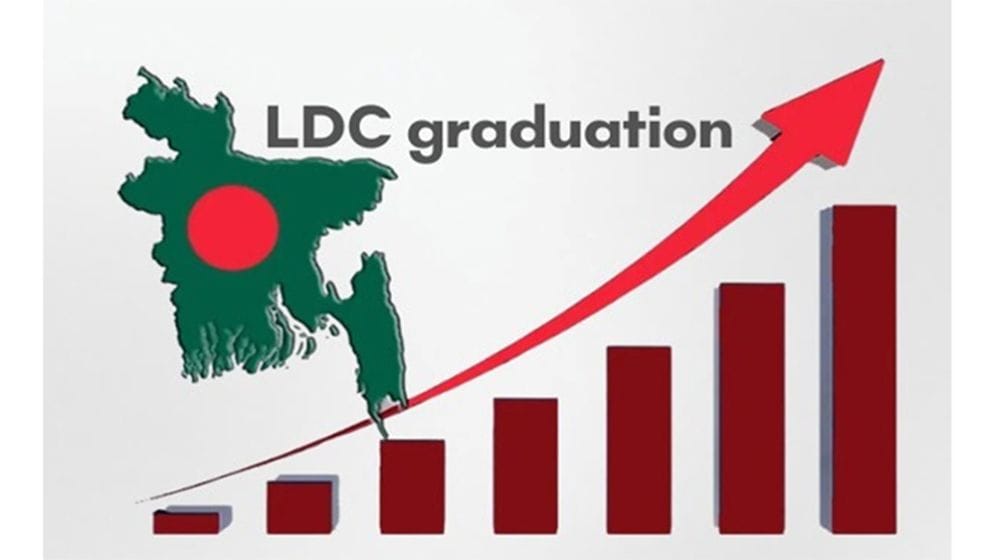
Bangladesh is the world’s second-largest garment exporter, generating over $46.99 billion in apparel exports in FY 2022-23. For European fashion brands, wholesalers, and importers, Bangladesh offers something no other sourcing destination can match: world-class manufacturing capability, the highest number of LEED-certified green factories globally, and 0% import duty into the EU under the Everything But Arms (EBA) scheme.
If you are a European buyer considering Bangladesh for the first time — or looking to switch from an underperforming supplier — this guide walks you through every step of the sourcing process, from finding the right partner to receiving goods at your warehouse.
Whether you call it sourcing garments or sourcing clothing from Bangladesh, the process is the same — and in 2026 it matters more than ever. Bangladesh remains the EU’s second-largest apparel supplier, and in the first nine months of 2025 its clothing exports to the EU grew 13.17% year-on-year to €15.26 billion, outpacing China’s growth rate. For European brands, the appeal is clear: Bangladesh offers among the most competitive unit prices in the market while volumes keep rising. This guide shows you exactly how to tap into that supply base safely and profitably.
Planning your post-2026 Bangladesh sourcing strategy?
As tariff preferences shift, working with an established buying house de-risks your supply chain. Milky Fashions has sourced for European brands since 2002 (BGBA M-0357) with BSCI, WRAP, SEDEX & GOTS-certified factories.
Get a Free Sourcing Quote →Why European Buyers Choose Bangladesh
Before diving into the process, it helps to understand why Bangladesh consistently ranks as the preferred sourcing destination for European fashion brands including H&M, Inditex, Primark, C&A, and Pepco.
Cost advantage:
Bangladesh offers some of the lowest production costs in the world for garments, without compromising on quality. This directly improves your margin.
Duty-free access:
Under the EU’s Everything But Arms (EBA) initiative, 100% of garments manufactured in Bangladesh enter the EU duty-free. Compare this to China (12% duty), Vietnam (12%), or Turkey (9.6–12%). For a European buyer, this single factor can save tens of thousands of euros per year on landed costs.
UK buyers:
Since Brexit, the UK’s Developing Countries Trading Scheme (DCTS) provides Bangladesh with 0% or significantly reduced duty — the same competitive advantage applies.
Compliance and sustainability:
Bangladesh now hosts the highest number of LEED-certified green garment factories in the world. Partner factories holding BSCI, WRAP, SEDEX, OEKO-TEX, GOTS, and GRS certifications are widely available — critical for brands navigating EU CSDDD supply chain due diligence requirements in 2026 and beyond.
Scale and versatility:
With over 4,500 active garment factories registered with BGMEA and BKMEA, Bangladesh can handle everything from small private label orders to multi-million piece retail programmes across knitwear, woven garments, sweaters, denim, outerwear, and workwear.
The 2026 Sourcing Landscape: Why Timing Favours European Buyers
European buyers sourcing clothing from Bangladesh in 2026 hold unusually strong negotiating leverage. Understanding the current market helps you source on better terms.
Three trends define the moment:
- Prices have softened. The average unit price of Bangladeshi apparel into the EU fell from €15.08 per kg in January 2025 to €13.66 per kg in January 2026 — a 9.4% drop — as European demand cooled and competition intensified. For buyers, this means better pricing leverage than at any point in recent years.
- Volumes remain strong. Despite softer prices, Bangladesh’s export volume to the EU continues to grow, confirming that factories are hungry for orders and competing harder for buyer programmes.
- Bangladesh is outcompeting rivals on price. In denim and trousers, Bangladesh has already overtaken China by volume in the EU market, and its unit prices remain consistently below China’s.
The takeaway for European brands: 2026 is a buyer’s market. Factories are competing for your order, which strengthens your position on price, MOQ flexibility, and terms — especially when you approach them through an experienced buying house that knows current factory pricing.
Milky Fashions tracks live factory pricing across its network and negotiates on your behalf in exactly this kind of market. As a BGBA-registered buying house (Member No. M-0357) sourcing for European brands since 2002, we help you convert today’s market conditions into a better landed cost.
To know more about starting a clothing brand read our blog.
Step 1 — Define Your Product Requirements
Before approaching any factory or buying house, prepare a clear product brief covering:
- Product category: knitwear, woven, denim, sweaters, outerwear, etc.
- Fabric composition and weight (GSM): e.g. 180 GSM 100% cotton jersey for a t-shirt
- Construction details: stitch type, seam allowances, finishing requirements
- Colours: Pantone references where possible
- Sizes and size range
- Target quantity per style per colour
- Required certifications: GOTS, OEKO-TEX, BSCI, etc.
- Target FOB price
- Required delivery date (work backwards from this to establish your order timeline)
The more detail you provide upfront, the more accurate your quotes will be and the fewer surprises you will encounter during production.
Step 2 — Choose Your Sourcing Model: Buying House, Direct Factory, or Trading Company
How you structure your sourcing is the single most important decision in the entire process — it determines your cost, risk, and how much of your own time the programme consumes. European buyers source clothing from Bangladesh through one of three models.
Buying House (Recommended for Most European Brands)
A buying house in Bangladesh — also called a clothing sourcing agent or garments sourcing agent — is a professional intermediary that manages the entire sourcing process on your behalf. It holds established, audited factory relationships, handles sampling and production oversight, manages compliance verification, and coordinates shipment documentation.
The advantages of a buying house:
- Factory access — a vetted network of clothing suppliers built over years of audited production, matched to your specific product.
- Lower effective MOQs — the buying house can consolidate orders and fabric across styles to access minimums below factory-direct levels.
- Compliance management — it maintains and monitors factory certifications (BSCI, WRAP, SEDEX, GOTS, OEKO-TEX) on your behalf.
- Risk mitigation — independent in-line and final quality inspections before goods leave the factory floor.
- Single point of contact — one merchandiser managing multiple factory relationships, in professional English, across time zones.
- Cost efficiency — experienced negotiators typically recover their fee through better fabric pricing and reduced sampling waste.
For small and mid-sized European brands — particularly those without a Bangladesh office or a sourcing team that can travel to Asia frequently — a buying house is the optimal model.
Direct Factory Sourcing
Going direct means building your own relationship with a clothing factory in Bangladesh without an intermediary. It can work for brands with high volumes, dedicated in-house sourcing teams, and the ability to visit Bangladesh regularly for factory oversight.
The risks for smaller brands are real: communication gaps, undetected quality failures, compliance blind spots, and no independent accountability when a shipment goes wrong. Direct sourcing suits large buyers; it rarely suits a first-time or SME brand.
Trading Company
A trading company buys goods and resells them to you at a margin you cannot see. Unlike a buying house, which represents you and discloses its fee, a trading company represents itself. It offers simplicity but the least transparency and control — generally not recommended for buyers who want direct accountability.
For most European brands entering Bangladesh sourcing, a reputable buying house is the safest, most cost-effective route. Milky Fashions operates as a full-service buying house from Dhaka, providing end-to-end management for European brands since 2002. To understand the model in depth, see our guide to what a garment buying house is and how it works.
Step 3 — Vet Your Factory or Buying House Partner
Whether working directly with a factory or through a buying house, due diligence is essential. Evaluate any potential partner against these criteria:
Certifications:
Request copies of current certification documents — BSCI, WRAP, SEDEX, OEKO-TEX Standard 100, GOTS, GRS, ISO 9001. Verify these directly with the issuing body where possible.
Export experience:
How many years have they been exporting? Which countries and brands do they supply? Can they provide references?
Factory audit reports:
Ask for recent third-party audit reports from Bureau Veritas, SGS, Intertek, or QIMA.
Capacity:
Does the factory have sufficient capacity for your order size without compromising their existing clients?
Communication:
Are responses prompt, clear, and in professional English? Communication quality is a strong indicator of overall operational standards.
Sample quality:
Always request samples before committing to bulk production. A factory that cannot produce a satisfactory sample will not produce satisfactory bulk.
Step 4 — Request Quotes and Evaluate
Provide your product brief to 2–3 shortlisted partners and request FOB Chittagong price quotes. A proper quote should include:
- FOB unit price per style per colour
- Minimum order quantity (MOQ)
- Estimated production lead time
- Sample development timeline and cost
- Payment terms
Typical MOQs for Bangladesh:
- Basic knitwear (t-shirts, polos): 500–1,000 pieces per colour per style
- Woven garments: 500–2,000 pieces per colour per style
- Sweaters: 300–500 pieces per colour per style
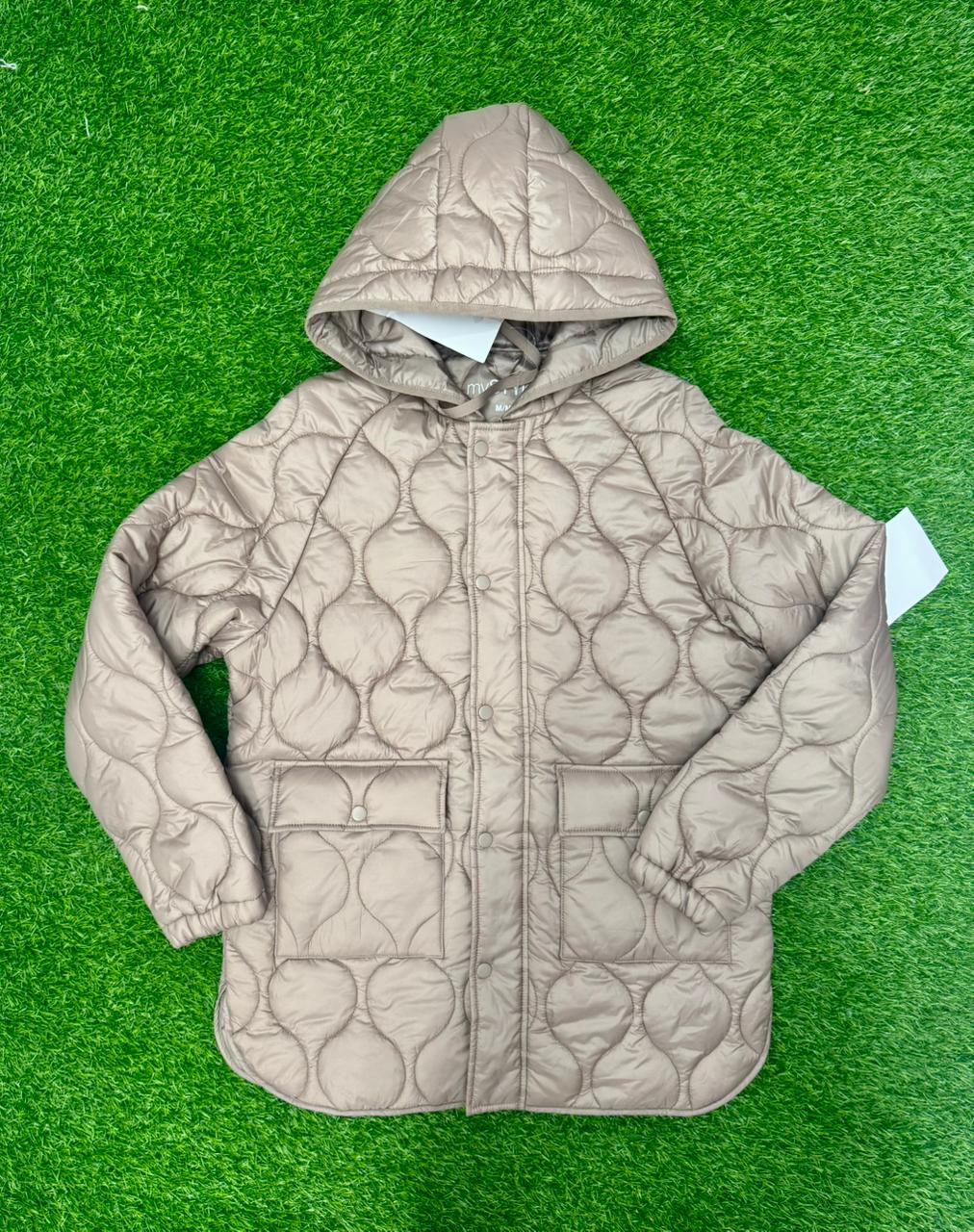
- Outerwear: 300–500 pieces per colour per style
If you are a smaller buyer, ask about consolidation options — reputable buying houses can often combine orders from multiple buyers at a single factory to achieve MOQ.
Understanding FOB pricing:
Your total landed cost = FOB price + international freight (sea or air) + insurance + import duty (0% from Bangladesh to EU) + customs clearance fees. Always calculate landed cost, not just FOB, when comparing sourcing destinations.
Step 5 — Order Samples and Approve
Never place a bulk order without a full sample approval process. The standard sample sequence for Bangladesh garment sourcing is:
Proto sample:
First physical interpretation of your design. Used to check construction, silhouette, and initial fit. May not be in correct fabric or colour.
Fit sample (SMS):
In correct or near-correct fabric, used to check fit across your size range.
Pre-production sample (PP sample):
In exact bulk fabric, trims, and colour. This is the definitive approval before production begins. Only approve when you are fully satisfied.
Top of production sample (TOP sample):
Taken from the beginning of bulk production to confirm consistency with the approved PP sample.
Sample costs are typically charged upfront and credited against your first bulk order. Budget 4–8 weeks for the full sample approval cycle.
Step 6 — Confirm Order and Begin Production
Once samples are approved, confirm your bulk order in writing with a purchase order specifying:
- Exact styles, colours, quantities, and sizes
- Agreed FOB price
- Required shipment date
- Quality standards and AQL inspection level
- Packaging and labelling specifications
- Any special compliance requirements
Pay the agreed deposit (typically 30%) to initiate production. Your buying house or QC partner should conduct inline inspections during cutting and sewing, and a final AQL inspection before shipment.
Step 7 — Manage Quality Control
Quality control is the most critical risk management step in Bangladesh garment sourcing. A structured QC programme includes:
Pre-production:
Review of approved PP sample against bulk raw materials before cutting begins.
Inline inspection:
QC visits during cutting and sewing to catch issues early when they are still correctable.
Final inspection:
AQL random inspection of finished packed goods before the container is sealed. Standard AQL levels are 2.5 (normal) or 4.0 (tightened for higher-risk styles).
Pre-shipment check:
Final verification before container loading.
Independent third-party inspections through Bureau Veritas, SGS, Intertek, or QIMA provide additional assurance. At Milky Fashions, quality control is integrated into every stage of production across our partner factory network. Learn more about our quality control services.
Step 8 — Shipping and Logistics
Bangladesh garments are shipped from Chittagong Port. Lead times to major European ports:
- Sea freight: 20–28 days to Rotterdam, Hamburg, Felixstowe, Antwerp
- Air freight: 3–5 days (significantly higher cost — recommended for urgent or high-value shipments only)
Shipping terms:
Most orders ship FOB Chittagong. CIF (Cost, Insurance, Freight) and DDP (Delivered Duty Paid) can also be arranged.
Duty-free documentation:
To claim 0% duty under EBA, you need a Certificate of Origin (Form A / GSP certificate) issued by the Bangladesh Export Promotion Bureau. A reputable buying house arranges this as standard for all European shipments.
Total timeline from order confirmation to EU warehouse:
Allow 90–120 days for a standard new order (including sampling and production). For repeat orders with approved samples, this reduces to 60–75 days.
Step 9 — Build a Long-Term Partnership
The most successful European brands sourcing from Bangladesh treat the relationship as a long-term partnership, not a transactional arrangement. Consistent volumes, clear communication, and fair payment terms build the mutual trust that results in priority factory capacity, better pricing, and preferential treatment during peak seasons.
Ready to Start Sourcing from Bangladesh?
Milky Fashions is a Bangladesh-based apparel buying house with over 24 years of experience serving European fashion brands, wholesalers, and importers. We provide end-to-end sourcing management — from factory selection and sample development through to quality control and export documentation — with full BSCI, WRAP, SEDEX, and OEKO-TEX compliance support.
We serve buyers across the UK, Germany, France, Netherlands, Italy, Spain, Scandinavia, Poland, and beyond.
Contact us to discuss your sourcing requirements — we respond within 24 hours.
frequently asked questions
How do I source clothing from Bangladesh as a small fashion brand?
Small fashion brands source clothing from Bangladesh most safely through a buying house, which can consolidate orders to access lower MOQs (from around 500 pieces per style), manage quality control, and handle compliance — removing the need for a Bangladesh office or factory visits. Prepare a clear tech pack, target FOB price, and quantity, then work with a BGBA-registered buying house to match you to the right factory.
Is it cheaper to source clothing from Bangladesh than China or Turkey?
For most knitwear, denim, and basics, yes. Bangladesh offers the lowest production costs of the three, and for EU and UK brands the advantage widens with 0% import duty under the EBA and DCTS schemes (versus full tariffs from China). In 2025–2026, Bangladesh’s average EU unit price fell to around €13.66 per kg, keeping it consistently below China. See our full Bangladesh vs China vs Turkey comparison.
How much does it cost to source clothing from Bangladesh?
Garment FOB prices in Bangladesh typically range from $2.50 for a basic t-shirt to $14 for denim or knitwear, plus a buying house commission of 5–10%, ocean freight of around $0.40 per unit to Europe, and 0% EU import duty. A basic t-shirt lands at a European warehouse for under $4 all-in. See our detailed garment sourcing cost guide for a full breakdown.
How do I find a reliable garment buying house in Bangladesh?
Look for a buying house with verifiable export experience, transparent pricing, partner factory certifications (BSCI, WRAP, SEDEX), and strong references from European clients. Milky Fashions has been serving European buyers since 2002.
What is the minimum order quantity for garments from Bangladesh?
MOQs vary by product and factory. General guidelines: knitwear 500–1,000 pieces; woven garments 500–2,000 pieces; sweaters 300–500 pieces per colour per style. Smaller buyers can explore order consolidation options.
How long does it take to source garments from Bangladesh?
Allow 90–120 days from order confirmation for a first order including sampling. Repeat orders with approved samples typically take 60–75 days to EU warehouse delivery.
Do I need a buying agent to source garments from Bangladesh?
Not legally required, but strongly recommended for first-time buyers. A BGBA-registered buying house like Milky Fashions handles factory selection, sample approval, quality control, compliance audits, and logistics — significantly reducing risk and lead time.
What certifications should I look for when sourcing garments from Bangladesh?
Look for BSCI, WRAP, SEDEX/SMETA, GOTS (for organic), OEKO-TEX STANDARD 100, and GRS (for recycled materials). These certifications confirm ethical production, chemical safety, and environmental compliance — all required by major European retailers.
Is Bangladesh garment sourcing suitable for small brands?
Yes. Many of Bangladesh’s best factories work with SME European brands. A buying house can help smaller buyers meet MOQs through order consolidation and negotiate appropriate terms.
WORKING WITH A BGBA-REGISTERED BUYING HOUSE IN BANGLADESH
Sourcing independently from Bangladesh carries significant risk for first-time European buyers. Factory vetting, compliance audits, sample management, and logistics coordination require local expertise and established relationships.
A BGBA-registered buying house like Milky Fashions acts as your local representative in Bangladesh. We manage the entire supply chain on your behalf — from factory selection and sample approval through to final inspection and shipment — giving you full visibility without the overhead of a local office.
Our compliance network covers BSCI, WRAP, SEDEX, GOTS, OEKO-TEX STANDARD 100, and GRS-certified factories across knitwear, woven, denim, and sweater categories. European buyers from the UK, Germany, Netherlands, Italy, and Scandinavia work with us for consistent quality, transparent pricing, and reliable lead times.
Related Reading
Related guides: What Is a Garment Buying House? · Bangladesh vs China vs Turkey · Garment Sourcing Cost Bangladesh · Bangladesh MOQ Guide · How to Vet a Bangladesh Factory · Factory Certifications · EU Textile Regulations
Milky Fashions | Bangladesh Apparel Buying House | Est. 2002 | Serving European buyers across UK, Germany, France, Netherlands, Italy, Spain, and Scandinavia.
Planning your post-2026 Bangladesh sourcing strategy?
As tariff preferences shift, working with an established buying house de-risks your supply chain. Milky Fashions has sourced for European brands since 2002 (BGBA M-0357) with BSCI, WRAP, SEDEX & GOTS-certified factories.
Get a Free Sourcing Quote →
Director and Head of Merchandising at Milky Fashions, a BGBA-registered garment buying house in Bangladesh since 2002. Specialises in knitwear sourcing, factory compliance, and European buyer relations.