Why Bangladesh is the Best Garment Sourcing Destination for European Buyers in 2026
When global fashion brands evaluate their sourcing strategy, one country consistently rises to the top: Bangladesh. The world’s second-largest garment exporter — with $46.99 billion in RMG exports in FY 2022-23, accounting for 84% of the country’s total export earnings — Bangladesh offers European buyers a combination of advantages that no competing sourcing destination can fully replicate.
This is not a legacy reputation. In 2026, Bangladesh’s garment industry is more competitive, more compliant, and more capable than at any point in its history.
1. Zero Import Duty into the EU and UK
This single advantage changes the economics of sourcing fundamentally.
Under the EU’s Everything But Arms (EBA) initiative — the most generous tier of the EU Generalised System of Preferences — 100% of garments manufactured in Bangladesh enter the European Union duty-free and quota-free. China, Vietnam, India, and Turkey do not qualify for EBA. EU import duties on garments from these countries range from 9.6% to 12%.
For a European importer bringing in €1 million of garments annually, the duty saving versus a Chinese or Vietnamese supplier is up to €120,000 per year — every year. That saving directly improves your margin, funds better quality, or allows more competitive retail pricing.
UK buyers benefit from the Developing Countries Trading Scheme (DCTS), which similarly provides Bangladesh with 0% or significantly reduced duty on garments since Brexit. Bangladesh is one of the few countries that qualifies for preferential access to both the EU and UK markets simultaneously.
2. The World’s Largest Green Factory Ecosystem
Bangladesh hosts more LEED-certified green garment factories than any other country in the world. In an era where European brands face EU Green Deal requirements, CSRD Scope 3 reporting obligations, and CSDDD supply chain due diligence mandates, manufacturing in a LEED-certified Bangladeshi facility provides verifiable environmental credentials.
These factories are not greenwashing. LEED certification requires documented performance across energy efficiency, water conservation, indoor air quality, and materials management. Sourcing from a LEED-certified Bangladesh factory gives your brand:
- Measurable carbon footprint reduction data for CSRD reporting
- Evidence of environmental management for investor and retailer ESG requirements
- Genuine sustainability credentials for consumer-facing marketing
3. Unmatched Scale and Capacity
Bangladesh has over 4,500 active garment factories registered with BGMEA (Bangladesh Garment Manufacturers and Exporters Association) and BKMEA (Bangladesh Knitwear Manufacturers and Exporters Association), employing over 4 million workers.
This scale means:
- Capacity for any order size: from private label startups placing 300-piece orders to major retailers ordering millions of units
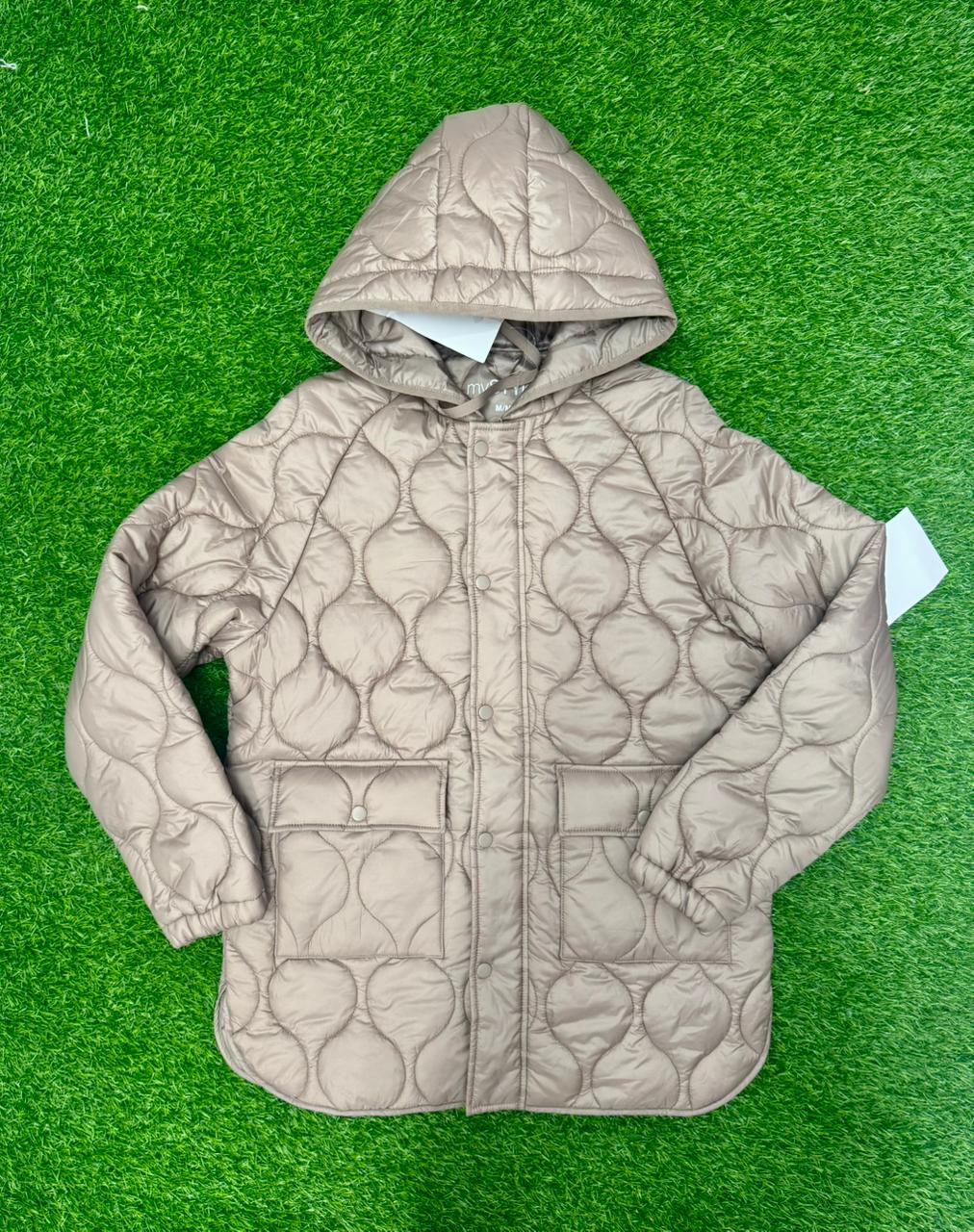
- Wide product range: knitwear, woven, denim, sweaters, outerwear, workwear, activewear, intimate apparel
- Specialist expertise: Bangladesh’s knitwear sector alone exported $25.73 billion in FY 2022-23, making it the global leader in knitwear volume
- Vertical integration: spinning, dyeing, fabric production, and garment manufacturing often within proximity, enabling better cost control and Tier 2 supply chain traceability
The European Union is Bangladesh’s largest market, importing approximately 50% of total RMG exports. Major European brands including H&M, Inditex, Primark, C&A, LPP, and Pepco have built their supply chains around Bangladesh — providing buyers of all sizes access to a mature, sophisticated export infrastructure.
4. Competitive Manufacturing Costs
Bangladesh consistently offers lower garment production costs than Vietnam, Turkey, India, and China for comparable quality — while simultaneously offering better EU duty terms than all of these competitors.
The combination of competitive FOB prices plus zero EU duty means your landed cost from Bangladesh is typically 15–25% lower than from equivalent-quality suppliers in China or Vietnam, even before accounting for any quality or compliance premium.
5. A Compliance-Ready Supply Chain
Post-Rana Plaza, Bangladesh’s garment industry underwent the most thorough factory safety transformation in global manufacturing history. Today:
- 100% of export-oriented factories have undergone structural safety inspections
- The RSC (RMG Sustainability Council) oversees safety compliance for over 1,800 factories
- BSCI and SEDEX social auditing is widespread across export factories
- OEKO-TEX Standard 100, GOTS, and GRS certifications are widely available
- Over 90% of remediation identified by the Accord/RSC is complete
For European brands navigating CSDDD supply chain due diligence requirements, this established audit ecosystem means your Bangladesh supply chain documentation is significantly more mature than equivalent documentation from China or Vietnam.
6. Bangladesh vs. Competing Sourcing Destinations
| Factor | Bangladesh | China | Vietnam | Turkey | India |
|---|---|---|---|---|---|
| EU import duty | 0% | 12% | 12% | 9.6–12% | 9.6–12% |
| UK import duty | 0% | 12% | 12% | Varied | 9.6–12% |
| LEED certified factories | World’s highest | Low | Very low | Low | Low |
| Knitwear expertise | World-class | Strong | Medium | Strong | Medium |
| GOTS capacity | High | Medium | Low | Medium | High |
| BSCI/SEDEX adoption | Widespread | Variable | Growing | Variable | Variable |
| Labour cost | Very low | Medium-high | Low-medium | Medium | Very low |
| MOQ flexibility | High | Medium | Medium | High | Medium |
7. Milky Fashions — Your Bangladesh Sourcing Partner Since 2002
Milky Fashions is a Dhaka-based apparel buying house with over 24 years of experience connecting European fashion brands, wholesalers, and importers with Bangladesh’s best certified factories.
We serve buyers across the UK, Germany, France, Netherlands, Italy, Spain, Scandinavia, and Poland with end-to-end sourcing management — factory selection, sample development, production oversight, quality control, compliance documentation, and export logistics.
Our partner factory network covers all major product categories — knitwear, woven, sweaters, outerwear, denim, and workwear — with full BSCI, WRAP, SEDEX, OEKO-TEX, GOTS, and GRS compliance support.
Explore our sourcing services or contact us directly to discuss your requirements. We respond within 24 hours.
8. Bangladesh’s LDC Graduation — What European Buyers Must Know
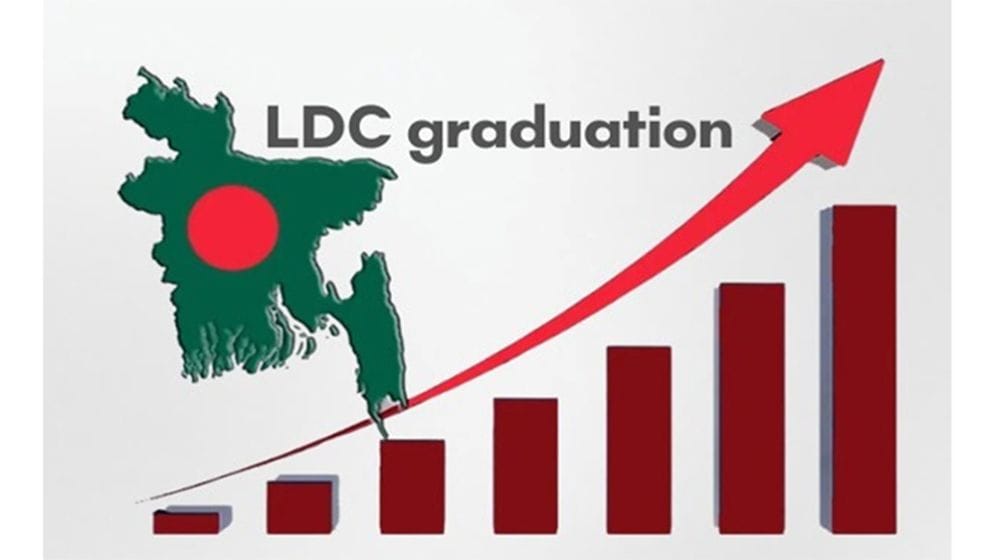
Bangladesh is scheduled to graduate from Least Developed Country status on 24 November 2026. This is the most discussed topic in Bangladesh sourcing circles right now — and every European buying manager needs to understand the facts clearly before making sourcing decisions.
The key fact: Bangladesh’s 0% duty-free access under EBA continues for three full years after graduation — until November 2029. This is confirmed under the WTO MC13 decision and EU transition arrangements. There is no cliff edge in November 2026. European brands sourcing from Bangladesh today have a clear, protected duty-free window through the end of 2029.
Beyond 2029, Bangladesh is actively pursuing GSP+ status with the EU. GSP+ would maintain preferential duty rates subject to Bangladesh ratifying 27 international conventions. The Bangladesh government has already begun this process. UK buyers benefit separately from the UK DCTS scheme, which provides its own preferential access arrangement continuing beyond 2029.
The strategic implication for European brands is clear: 2026 is the ideal year to establish Bangladesh sourcing relationships. Brands that build strong factory partnerships and compliance documentation in 2026 and 2027 will be well-positioned regardless of how post-2029 trade arrangements evolve.
9. The Human Cost Argument — Bangladesh’s Worker Welfare Progress
European buyers increasingly face questions from their own customers and investors about garment worker welfare. Bangladesh’s progress since 2013 is significant and documented.
Following the Rana Plaza incident in 2013, the industry undertook the most comprehensive factory safety transformation in global manufacturing history. The Bangladesh Accord on Fire and Building Safety — later transitioned to the RSC (RMG Sustainability Council) — conducted structural, fire, and electrical safety inspections of over 1,800 factories. Over 90% of identified remediation work is now complete.
Worker wages in Bangladesh increased by approximately 56% in 2023, with the minimum wage for garment workers set at BDT 12,500 per month (approximately $113). While ongoing improvement is needed, the trajectory is positive and the audit infrastructure to verify conditions exists in Bangladesh to a greater extent than in most competing sourcing destinations.
For European brands subject to CSDDD due diligence requirements, this combination of established audit infrastructure, RSC oversight, and documented remediation history provides a significantly stronger compliance foundation than equivalent sourcing from countries without comparable oversight mechanisms.
10. Why European SME Brands Specifically Benefit from Bangladesh
Large retailers like H&M and Inditex have the resources to manage direct factory relationships in Bangladesh. But the real growth opportunity is for small and medium European fashion brands — and this is where a Bangladesh buying house creates transformative value.
A European SME brand sourcing 3,000-10,000 pieces per season gains access to the same factory standards, compliance certifications, and manufacturing quality as much larger brands — but through the infrastructure and relationships of an established buying house rather than an expensive direct operation.
The minimum viable order quantities in Bangladesh suit SME brands well. Knitwear starts from 500 pieces per colour per style. Sweaters from 300-500 pieces. Woven garments from 500-1,000 pieces. For a growing European fashion brand, these quantities allow proper product development and quality control without overcommitting to inventory.
A BGBA-registered buying house like Milky Fashions handles the complexity — factory selection, sample management, production oversight, compliance documentation, and logistics coordination — allowing European SME brands to access world-class Bangladesh manufacturing without establishing a local office or hiring dedicated sourcing staff in Dhaka.
The result is a scalable, professional sourcing programme that grows with your brand — from your first 500-piece test order through to full seasonal production across multiple factories and product categories.
11. Sustainability Leadership — Bangladesh’s Competitive Advantage
For European brands with sustainability commitments, Bangladesh offers a genuine and documentable advantage over all competing sourcing destinations.
Bangladesh has 270 LEED-certified green garment factories including 114 Platinum-rated buildings — more than any other country in the world. These factories provide:
Verified carbon footprint data for CSRD Scope 3 reporting obligations
Documented water and energy efficiency performance
Evidence of environmental management systems for retailer and investor ESG audits
Consumer-facing sustainability credentials for brand marketing
In addition, Bangladesh has significant capacity for GOTS-certified organic cotton production, OEKO-TEX STANDARD 100 chemical safety certification, and GRS-certified recycled material sourcing — covering the full range of sustainability standards required by European buyers in 2026.
No competing sourcing destination combines this level of sustainability infrastructure with Bangladesh’s duty advantage, cost competitiveness, and compliance maturity.
For European fashion brands evaluating their sourcing strategy in 2026, the evidence is clear. Bangladesh offers the best combination of cost, duty, compliance, sustainability, and manufacturing capability of any garment-producing country. Working with a BGBA-registered buying house ensures you access the best of Bangladesh’s manufacturing infrastructure while managing quality, compliance, and logistics professionally from day one.
FAQ
Why is Bangladesh better than China for European garment buyers? Bangladesh offers 0% EU import duty under EBA versus 12% from China, lower production costs, and the world’s highest concentration of LEED-certified green factories. For European buyers, the combination of duty savings and competitive FOB pricing makes Bangladesh the clear cost leader.
Is Bangladesh garment quality good enough for European brands? Yes. H&M, Inditex, Primark, C&A, and hundreds of other major European brands source consistently from Bangladesh. Quality is determined by factory selection and QC management — a reputable buying house ensures both.
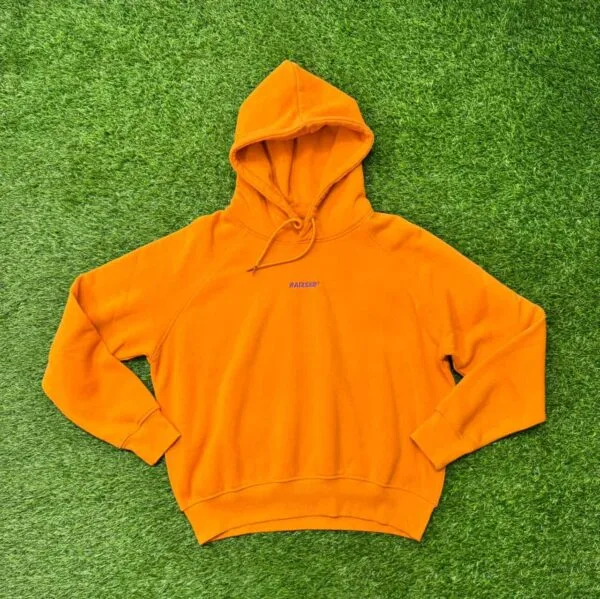
What garment categories does Bangladesh specialise in? Bangladesh excels in knitwear (t-shirts, polos, sweatshirts, hoodies), woven garments, denim, sweaters, and outerwear. Knitwear exports alone exceeded $25.73 billion in FY 2022-23 — Bangladesh is the world leader in knitwear volume.
How do I start sourcing from Bangladesh as a European buyer? Contact a reputable Bangladesh buying house with your product brief, required certifications, quantity, and target price. They will identify appropriate factories, arrange sampling, and manage production on your behalf.
Milky Fashions | Bangladesh Apparel Buying House | Est. 2002 | European buyer specialists | UK, Germany, France, Netherlands, Italy, Spain, Scandinavia

Director and Head of Merchandising at Milky Fashions, a BGBA-registered garment buying house in Bangladesh since 2002. Specialises in knitwear sourcing, factory compliance, and European buyer relations.