What Is a Textile Sourcing Agent — And Why Every Apparel Brand Needs One
If you are a fashion brand owner, retail buyer, or apparel sourcing manager trying to manufacture clothing overseas, you have almost certainly come across the phrase textile sourcing agent. But what does one actually do? How does the process work? And why are so many apparel buyers in the UK and across Europe choosing to work through a professional intermediary rather than approaching garment manufacturers in Bangladesh directly?
This guide answers all of those questions — clearly, practically, and without jargon. Whether you are exploring apparel sourcing international for the first time or looking to improve an existing supply chain, what follows is a complete, honest picture of how professional apparel sourcing works, what a sourcing agent actually delivers, and how to decide if working with one is right for your brand.
What Is a Textile Sourcing Agent?
A textile sourcing agent — also referred to as a clothing sourcing agent, garments sourcing agent, or buying house — is a company or individual that acts as the operational bridge between a fashion brand and overseas manufacturers. Instead of your brand managing factory visits, price negotiations, sampling rounds, compliance checks, and quality inspections in-house, the sourcing agent handles all of it on your behalf.
The core value proposition is simple: your brand knows its customer, its product, and its market. A professional clothing sourcing agent knows the factories, the supply chain, the local compliance landscape, and the operational reality on the ground. When those two sets of expertise combine, brands get better quality, better pricing, and fewer surprises than they would navigating the process alone.
A full-service textile sourcing agent typically delivers the following textile sourcing services:
- Factory identification and vetting — finding certified, compliant manufacturers matched to your specific product category
- Price negotiation — using established relationships and volume leverage to secure competitive FOB pricing
- Sample management — coordinating proto, fit, and pre-production samples between factory and brand
- Compliance verification — confirming BSCI, WRAP, SEDEX, GOTS, OEKO-TEX, and GRS certification status
- Production monitoring — inline and final quality inspections before goods leave the factory
- Documentation and shipment coordination — managing packing lists, certificates of origin, and export paperwork
This end-to-end model is what separates a professional textile sourcing agent from a simple factory directory or broker listing. The agent is accountable. They have skin in the game. Their reputation depends on your shipment arriving correctly and on time.
Why Apparel Buyers in the UK and Europe Use Sourcing Agents
The growth of apparel sourcing UK partnerships with Bangladesh over the past decade has been driven not by price alone, but by risk management. European brands — particularly those with 2 to 10 staff — cannot afford a dedicated in-house sourcing team with boots on the ground in Asia. A textile sourcing agent based in Bangladesh effectively becomes that team at a fraction of the cost.
Here is why the model works so well for apparel buyers in the UK:
Local Knowledge, Global Standards
A garments sourcing agent Bangladesh has years of hands-on relationships with factories across product categories — knitwear, woven, denim, jersey, fleece, and outerwear. They know which factory consistently hits quality benchmarks, which struggles with lead times, and which has the certification portfolio a German or French retailer demands. That intelligence takes years to build and is impossible to replicate from a desk in London or Amsterdam.
Compliance Is Handled For You
European buyers face increasing regulatory pressure. The German Supply Chain Due Diligence Act (LkSG), the EU Corporate Sustainability Due Diligence Directive (CSDDD), and the UK Modern Slavery Act all require brands to demonstrate responsible sourcing practices. A professional clothing sourcing agent working through BSCI, SEDEX, and WRAP-certified factories gives brands audit-ready documentation from day one.
Cost Efficiency Without Compromising Quality
One of the biggest misconceptions in apparel sourcing international is that using an agent adds cost. In practice, the opposite is often true. A well-connected textile sourcing agent negotiates better fabric prices, reduces sampling waste, catches quality issues before shipment, and eliminates the expensive trial-and-error of finding reliable manufacturers independently. The agent’s fee is consistently offset by what brands save in rework, rejections, and failed factory relationships.
How International Apparel Sourcing Works — Stage by Stage
Understanding apparel sourcing international as a process helps brands engage more effectively with their sourcing partners and set realistic expectations for timelines, costs, and outcomes.
Stage 1 — Brief and Product Development
Everything starts with a clear product brief. The brand provides tech packs, fabric references, colour standards (Pantone TPG), target FOB pricing, and seasonal delivery windows. An experienced apparel sourcing manager — either in-house or embedded within the sourcing agent — translates this brief into factory-ready documentation. The clearer the brief, the faster and more accurately factories can respond with costings.
Stage 2 — Factory Matching and Bangladesh Textile Sourcing
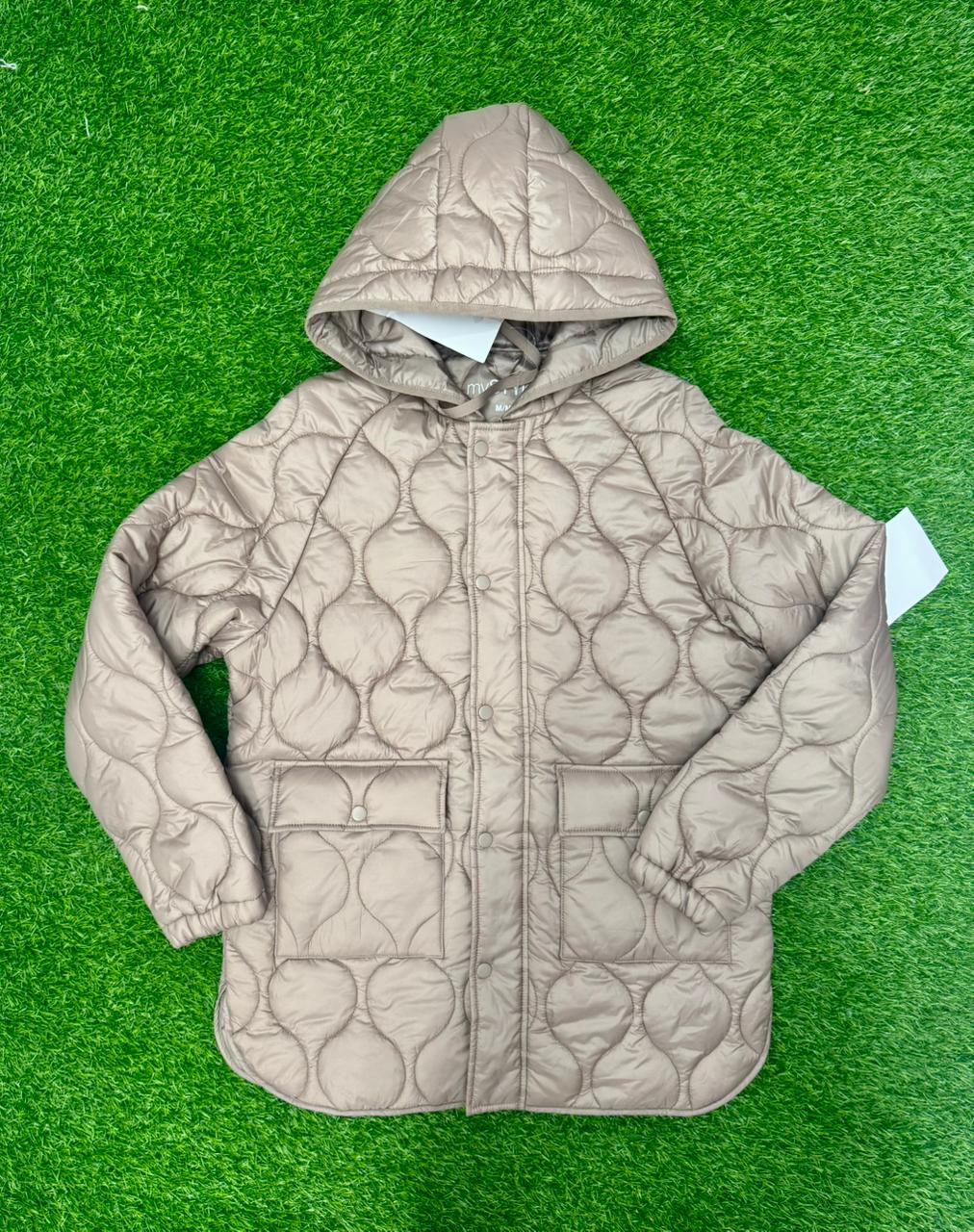
Not every factory is suited to every product. Knitwear requires circular or flat-bed knitting capacity. Outerwear needs different machinery, skills, and trims than jersey basics. As part of bangladesh textile sourcing, the agent matches your product category to the right type of manufacturer from a vetted network.
This stage is where the bangladesh clothing suppliers list matters most. An experienced agent does not rely on public directories or trade show contacts alone. Their list is built through years of factory visits, audits, and completed production runs — and it is constantly updated as factories improve or decline in performance.
Stage 3 — Costing, Negotiation, and Order Confirmation
Once factories are shortlisted, the textile sourcing agent obtains detailed costings covering fabric, trims, CMT (cut, make, trim), and packaging. They negotiate on your behalf, identifying where there is room to move on price without compromising material quality or ethical standards. Once pricing is agreed, a purchase order is raised and the production timeline is confirmed.
Stage 4 — Sampling
Sampling is where most sourcing relationships either build trust or break down. A professional textile sourcing services provider manages each sampling stage — proto, fit, and pre-production — with clear feedback loops and revision tracking. Sampling rounds that drag on for months are almost always the result of poor communication or an inexperienced intermediary. A good garments sourcing agent bangladesh compresses this timeline significantly.
Stage 5 — Production and Quality Control
Once the pre-production sample is approved, bulk production begins. Your textile sourcing agent conducts inline inspections during production and final inspections before shipment. Any issues are flagged and resolved before goods leave the factory — not after they arrive in your warehouse. This is where the commercial value of professional textile sourcing solutions is most tangible.
Stage 6 — Shipment and Documentation
The final stage covers export documentation, booking freight forwarders, managing shipment tracking, and ensuring all compliance paperwork — certificates of origin, test reports, packing lists — is in order. Apparel sourcing UK buyers shipping from Bangladesh typically work on 28–35 day lead times by sea freight from Chittagong to European ports.
Bangladesh Garment Suppliers — Why Bangladesh Remains the Global Benchmark
Bangladesh is the world’s second-largest garment exporter after China and has held that position for over a decade. For apparel sourcing international, Bangladesh offers a combination of advantages that no other single sourcing destination currently matches.
Bangladesh garment suppliers operating through certified buying houses offer:
- Competitive FOB pricing across knitwear, woven, and denim categories
- Large-scale BSCI, WRAP, SEDEX, GOTS, GRS, and OEKO-TEX certified factory networks
- Strong EU GSP trade preferences — currently under review post-LDC graduation, but Bangladesh retains strong EU-GSP+ eligibility
- Experienced workforce across a full range of product categories
- Improving infrastructure — Chittagong port, road networks, and energy supply have all seen significant investment
For apparel buyers in the UK specifically, Bangladesh has become the default sourcing geography for mid-range and fast-fashion segments. The country’s compliance infrastructure is now mature enough to satisfy even the most demanding European retailer audit requirements.
What to Look For in a Textile Sourcing Agent
Not all clothing sourcing agents are equal. Before committing to a sourcing partnership, there are several criteria every brand should evaluate.
Factory Network and Certifications
Ask to see the agent’s factory roster and request copies of current certifications. A credible garments sourcing agent bangladesh will have no hesitation sharing audit reports, BSCI scores, and compliance documentation. If they are vague about which specific factories they work with, that is a red flag.
Product Category Expertise
Textile sourcing services are not one-size-fits-all. An agent who specialises in knitwear may not be the right partner for structured woven outerwear. Confirm that the agent has active production history in your specific product category — not just theoretical capability.
Communication and Transparency
The best textile sourcing solutions are built on clear, frequent communication. Your agent should provide regular production updates, flag issues proactively, and respond to queries within a reasonable timeframe. An unresponsive agent during production is an agent who will have excuses at shipment.
References and Case Studies
Ask for references from current or previous brand clients. A professional apparel sourcing manager working within a buying house will be proud to share client outcomes, delivery records, and quality performance data. If references are unavailable or deflected, proceed with caution.
Milky Fashions — Textile Sourcing Solutions from Bangladesh Since 2002
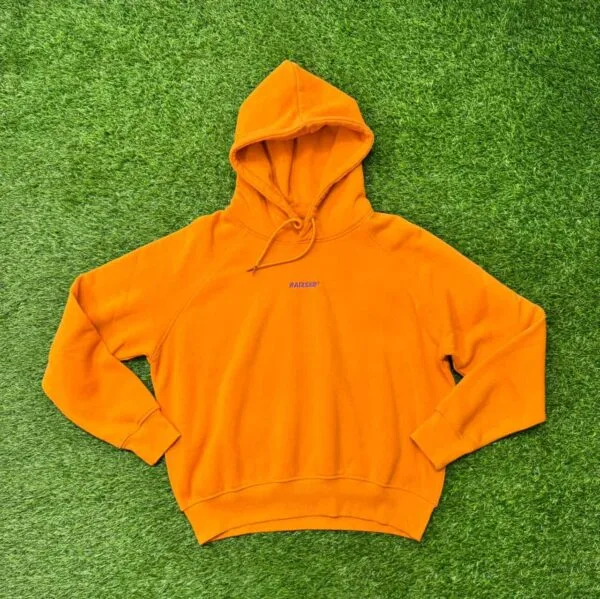
At Milky Fashions, we have been operating as a full-service textile sourcing agent in Bangladesh since 2002. As a BGBA-registered buying house headquartered in Dhaka, we connect small and mid-sized European fashion brands with BSCI, WRAP, SEDEX, GOTS, GRS, and OEKO-TEX certified factories across knitwear, woven tops, polo shirts, hoodies, sweatshirts, trousers, and denim.
Our clients are predominantly apparel buyers in the UK, Germany, Netherlands, France, Italy, Spain, and Poland — brands that need a reliable, transparent, and compliance-first sourcing partner in Bangladesh without the overhead of managing a full in-house apparel sourcing manager team.
What we offer goes beyond factory introductions. We provide end-to-end textile sourcing services — from initial costing and sampling through inline inspections, final QC, and shipment documentation. Our correspondent offices in London and Calgary ensure your queries are never lost in a time zone gap.
If you are exploring apparel sourcing UK partnerships or building out an apparel sourcing international strategy for the first time, we would welcome the conversation.
Frequently Asked Questions
What is the difference between a textile sourcing agent and a buying house?
In practice, the terms are often used interchangeably. A buying house is typically a larger, more structured operation with an employed team, physical offices, and an established factory network. A textile sourcing agent may operate as an individual or small firm. Milky Fashions operates as a full buying house — with offices, a dedicated team, and long-term certified factory relationships.
How much does a textile sourcing agent charge?
Most agents charge either a commission on FOB value (typically 3–7%) or a flat service fee per style or order. The fee structure varies by agent and order complexity. At Milky Fashions, we are transparent about our service structure from the first conversation.
Can small brands with low MOQs use a textile sourcing agent in Bangladesh?
Yes. While large orders unlock the most competitive pricing, many factories within our network in Bangladesh accept orders from 300–500 pieces per style for the right product category. Our MOQ guide covers this in detail — see our full breakdown on the Milky Fashions blog.
How long does the apparel sourcing process take from brief to delivery?
A standard production cycle — from approved tech pack to shipment — runs 90–120 days, depending on product complexity, sampling rounds, and fabric sourcing lead times. Rush orders can sometimes be accommodated but carry higher risk and cost.
Conclusion
Whether you are a growing fashion brand exploring bangladesh textile sourcing for the first time, or an established retailer looking to strengthen your textile sourcing solutions in Asia, the right textile sourcing agent changes everything. It changes your pricing. It changes your quality consistency. It changes your compliance confidence.
Bangladesh remains the most competitive, scalable, and compliance-ready garment sourcing geography in the world. The bangladesh clothing suppliers list available through a well-connected buying house gives brands access to manufacturing capacity that would take years to build independently.
If you are ready to explore what professional apparel sourcing looks like in practice — or if you simply want an honest conversation about whether Bangladesh is the right fit for your next collection — contact Milky Fashions today.

Director and Head of Merchandising at Milky Fashions, a BGBA-registered garment buying house in Bangladesh since 2002. Specialises in knitwear sourcing, factory compliance, and European buyer relations.