How Sustainable Fashion Manufacturing Works in Bangladesh (2026)
The global fashion industry is undergoing a compliance revolution. For European brands, sustainability is no longer a marketing option — it is a legal requirement. The EU Corporate Sustainability Due Diligence Directive (CSDDD), the Corporate Sustainability Reporting Directive (CSRD), and the upcoming Digital Product Passport (DPP) all demand that brands demonstrate verified knowledge of their supply chain, including Tier 2 and Tier 3 suppliers.
Bangladesh — often dismissed in sustainability conversations — is in fact one of the most compliance-ready garment manufacturing destinations in the world. This guide explains why, and how European fashion brands can source sustainably from Bangladesh with full confidence.
Ready to source sustainably? See our sustainable garment sourcing page for certified factories.
Bangladesh’s Sustainability Transformation
The 2013 Rana Plaza tragedy was a watershed moment. In its aftermath, Bangladesh’s garment industry underwent the most comprehensive factory safety transformation in global manufacturing history. Today, the results are measurable:
- Bangladesh has the highest number of LEED-certified green garment factories in the world — over 200 certified, with more under construction
- The RMG Sustainability Council (RSC) oversees safety compliance for over 1,800 factories
- Remediation of safety issues identified by the Accord/RSC is over 90% complete
- Widespread adoption of effluent treatment plants (ETPs), renewable energy systems, and strict chemical safety protocols
- OEKO-TEX Standard 100 and GOTS certification are now widely available across export-oriented factories
This transformation means Bangladesh is not just competitive on price — it is increasingly competitive on ethical and environmental standards too.
Key Certifications to Require from Your Bangladesh Supplier
When sourcing sustainable garments from Bangladesh, require your factory or buying house to provide current certification documents for the following:
GOTS — Global Organic Textile Standard The gold standard for organic textiles. GOTS certification covers the entire supply chain from raw material through finished product, ensuring organic fibre content and environmentally and socially responsible manufacturing. Essential for brands selling organic cotton products in Europe.
OEKO-TEX Standard 100 Certifies that every component of the garment — fabric, threads, buttons, zips, labels — has been tested for harmful substances. This is particularly important for EU market compliance and consumer trust. OEKO-TEX is one of the most recognised textile labels among European consumers.
BSCI — Business Social Compliance Initiative A European-led social audit standard that covers labour conditions, wages, working hours, and safety. BSCI-audited factories are required by major European retailers including H&M, C&A, and Primark. Having BSCI in place is a strong baseline for CSDDD supply chain documentation.
SEDEX / SMETA SEDEX is a data-sharing platform for supply chain ethical data. A SMETA (Sedex Members Ethical Trade Audit) covers labour standards, health and safety, environment, and business ethics. Increasingly required by UK and Scandinavian buyers.
WRAP — Worldwide Responsible Accredited Production An American-based certification covering 12 principles of ethical manufacturing. Widely recognised and accepted by European buyers as evidence of responsible production.
GRS — Global Recycled Standard Essential for brands using recycled polyester, recycled cotton, or other recycled materials. Certifies the percentage of recycled content and responsible social and environmental practices throughout processing.
ISO 14001 — Environmental Management Demonstrates a factory’s systematic approach to minimising environmental impact. Increasingly required by large European retail buyers as part of their supplier sustainability programmes.
At Milky Fashions, our partner factory network includes facilities holding BSCI, WRAP, SEDEX, OEKO-TEX, GOTS, and GRS certifications. View our factory certifications.
CSDDD and What It Means for Your Bangladesh Sourcing
The EU Corporate Sustainability Due Diligence Directive (CSDDD) requires companies above certain size thresholds to identify, prevent, and address adverse human rights and environmental impacts across their supply chains — including Tier 2 and Tier 3 suppliers.
For European fashion brands sourcing from Bangladesh, this means:
You need documented evidence of your factory’s labour and environmental practices. BSCI and SEDEX audits provide exactly this documentation.
You need Tier 2 traceability — knowing who your factory buys its fabric from. Bangladesh’s vertically integrated textile industry, where spinning, weaving, dyeing, and garment manufacture often occur within proximity, makes Tier 2 mapping significantly easier than in fragmented supply chains.
You need a reliable partner on the ground to maintain oversight. A buying house with established factory relationships and QC presence provides the supply chain visibility that CSDDD demands.
Working with Milky Fashions gives European brands a single point of accountability for their Bangladesh supply chain — with full documentation support for CSDDD, CSRD Scope 3 reporting, and Digital Product Passport requirements. Contact us to discuss compliance support.
Sustainable Product Categories Available from Bangladesh
Bangladesh’s sustainability transformation extends across all major garment categories:
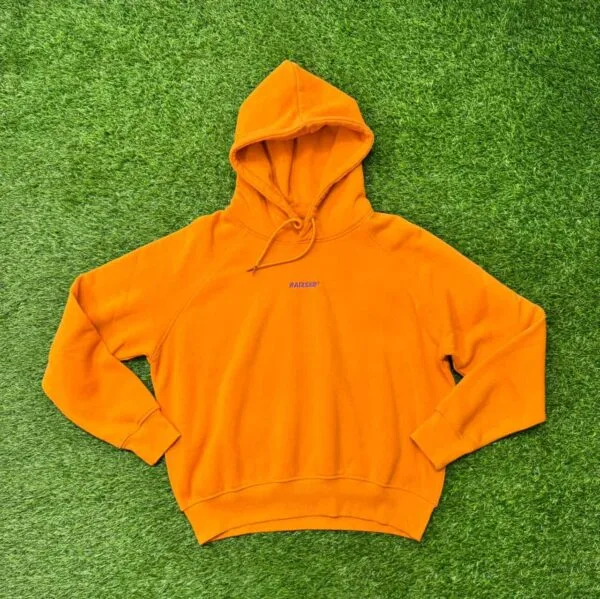
Organic cotton knitwear: T-shirts, polos, sweatshirts, and hoodies in GOTS-certified organic cotton. Bangladesh has sufficient GOTS-certified spinning and knitting capacity to service meaningful volumes.
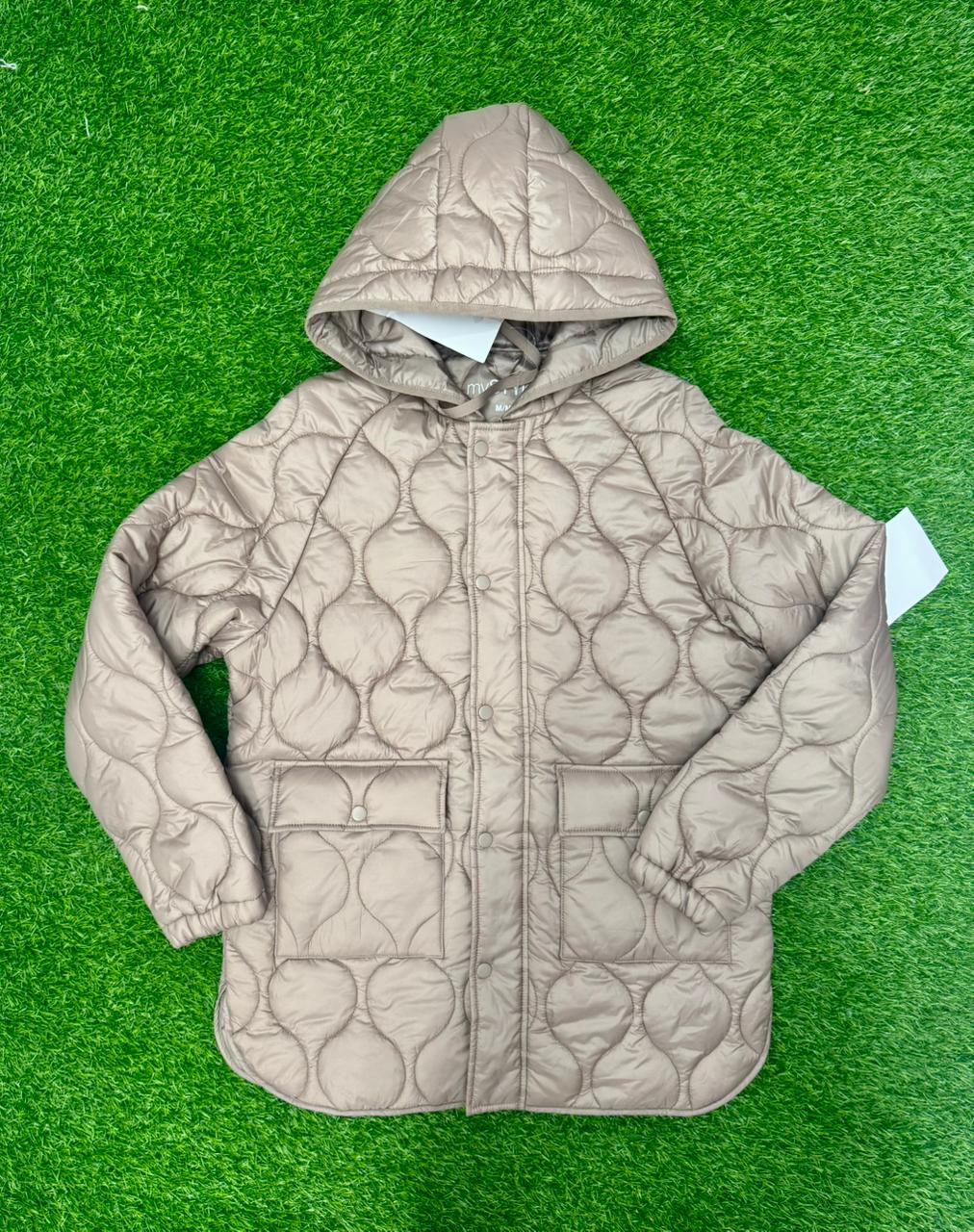
Recycled polyester activewear and outerwear: GRS-certified recycled polyester fleece, padding, and shell fabrics are widely available. Bangladesh is a major producer of fleece hoodies, padded jackets, and technical outerwear.
TENCEL and sustainable fibre garments: TENCEL (lyocell), modal, and other sustainable fibres can be sourced and manufactured in Bangladesh with appropriate certification.
OEKO-TEX certified basics: Even conventional cotton garments can carry OEKO-TEX Standard 100 certification, demonstrating freedom from harmful substances. This is achievable across most product categories.
Green Factories — What LEED Certification Means for Buyers
Bangladesh’s LEED-certified factories are not just greenwashing. LEED (Leadership in Energy and Environmental Design) certification requires verified performance across energy efficiency, water conservation, indoor air quality, and sustainable site management.
For European buyers, sourcing from a LEED-certified factory in Bangladesh provides:
- Documented reduction in carbon footprint versus non-certified facilities
- Evidence of environmental management for CSRD Scope 3 reporting
- Alignment with EU Green Deal sustainability objectives
- Marketing credibility with environmentally conscious European consumers
When briefing Milky Fashions on a sourcing requirement, simply specify that LEED certification is a factory selection criterion and we will match you with an appropriate certified facility.
Bangladesh vs. Other Sourcing Destinations — Sustainability Comparison
| Factor | Bangladesh | China | Vietnam | Turkey |
|---|---|---|---|---|
| LEED certified factories | World’s highest | Low | Very low | Low |
| EU import duty | 0% (EBA) | 12% | 12% | 9.6–12% |
| GOTS certified capacity | High | Medium | Low | Medium |
| BSCI/SEDEX adoption | Widespread | Variable | Growing | Variable |
| CSDDD readiness | High | Low | Low | Medium |
| Vertical integration | High | Very high | Medium | High |
How to Start Sourcing Sustainable Garments from Bangladesh
- Define your certification requirements (GOTS, OEKO-TEX, BSCI, GRS, LEED)
- Brief a reputable buying house on your sustainability requirements alongside your product brief
- Request current certification documents for proposed factories
- Include sustainability specifications in your purchase order
- Conduct or commission a factory audit before first bulk order
- Maintain ongoing supply chain documentation for CSDDD compliance
Milky Fashions has been connecting European fashion brands with certified, compliant Bangladesh garment manufacturers since 2002. Our team provides full compliance documentation support, certification verification, and ongoing supply chain oversight.
Request a sourcing consultation and tell us your certification requirements — we will identify the right factory partner for your brand.
The EU Green Deal and What It Means for Bangladesh Sourcing in 2026
The EU Green Deal represents the most significant regulatory shift affecting European fashion brands in a generation. Several specific directives directly impact how European brands source garments and what documentation they must maintain.
The EU Ecodesign for Sustainable Products Regulation (ESPR) will require garments sold in the EU to meet minimum durability, recyclability, and recycled content standards. From 2025 onwards, the Digital Product Passport (DPP) will eventually require a scannable record of every garment’s materials, origin, and environmental footprint. Bangladesh’s established certification infrastructure — GOTS, GRS, OEKO-TEX, BSCI, SEDEX — positions it as the most DPP-ready sourcing destination outside of Europe itself.
The EU Empowering Consumers for the Green Transition Directive prohibits greenwashing claims without substantiation. Brands claiming “sustainably made” or “ethically sourced” must be able to prove it with audit documentation. A Bangladesh supply chain managed through a buying house with full certification support gives brands exactly the documentation trail they need.
Extended Producer Responsibility (EPR) schemes for textiles are now active in France, Germany, and the Netherlands — with more EU countries following. Brands must demonstrate responsible production as part of EPR compliance. Factory certifications from Bangladesh’s established audit ecosystem directly support this documentation requirement.
For European fashion brands, the practical implication is straightforward: sourcing from certified Bangladesh factories, managed through a BGBA-registered buying house, is one of the most efficient ways to build the compliance documentation stack that EU regulations now require.
Recycled and Organic Materials — Bangladesh’s Growing Capability
European buyer demand for recycled and organic materials has grown significantly. Bangladesh has responded with substantial investment in certified material sourcing and processing.
Recycled polyester sourcing in Bangladesh has expanded rapidly. GRS-certified recycled polyester yarn — produced from post-consumer plastic bottles — is now widely available from Bangladeshi spinning mills, enabling brands to source GRS-certified fleece, hoodies, activewear, and outerwear at competitive prices with full chain-of-custody documentation.
Organic cotton knitwear is a strength of the Bangladesh market. GOTS-certified organic cotton yarn is available from certified mills, and GOTS-certified garment factories can produce organic cotton t-shirts, sweatshirts, hoodies, and polos with full transaction certificate documentation — the standard required for GOTS on-product claims in European retail.
Recycled cotton, TENCEL, modal, and hemp blends are also increasingly available from Bangladesh suppliers. For brands looking to transition their core product range to more sustainable materials, Bangladesh offers both the manufacturing capability and the certification infrastructure to support that transition at commercial scale.
When briefing Milky Fashions, specifying your material and certification requirements upfront allows us to identify the right factory partners and confirm current certification scope before any sampling commitment. This saves significant time and ensures your compliance documentation is in order from the first order.
Worker Welfare — The Social Sustainability Picture
Sustainability for European brands means environmental and social responsibility. Bangladesh’s social compliance picture has improved substantially since 2013.
The RSC oversees factory safety for over 1,800 export-oriented factories. Worker wages increased by approximately 56% in 2023. Freedom of association and collective bargaining rights are recognised. Multiple international NGOs and union organisations operate in Bangladesh’s garment sector, providing independent oversight that does not exist to the same degree in competing sourcing destinations.
For brands subject to CSDDD due diligence obligations, Bangladesh’s combination of BSCI and SEDEX audit coverage, RSC safety oversight, and documented wage progression provides a compliance foundation that is difficult to replicate from China, Vietnam, or Turkey.
Working with a BGBA-registered buying house ensures your social compliance documentation is current, accurate, and audit-ready at all times.
FAQ
Is sustainable garment manufacturing available in Bangladesh? Yes. Bangladesh has the world’s highest number of LEED-certified green factories and widespread GOTS, OEKO-TEX, BSCI, SEDEX, and WRAP certification across export-oriented manufacturers.
How does Bangladesh help European brands comply with CSDDD? Bangladesh’s widely audited factory ecosystem (BSCI, SEDEX) provides the supply chain documentation CSDDD requires. Vertically integrated production also enables deeper Tier 2 and Tier 3 traceability.
Can I source GOTS-certified organic garments from Bangladesh? Yes. Bangladesh has sufficient GOTS-certified spinning, knitting, and garment manufacturing capacity for meaningful commercial volumes across knitwear and woven categories.
What certifications should I require from a Bangladesh factory? At minimum: BSCI or SEDEX for social compliance. OEKO-TEX Standard 100 for chemical safety. GOTS or GRS if organic or recycled materials are required. LEED if green factory status is a priority.
Milky Fashions | Ethical Apparel Buying House Bangladesh | Serving European brands since 2002 | BSCI, WRAP, SEDEX, OEKO-TEX, GOTS compliance support

Director and Head of Merchandising at Milky Fashions, a BGBA-registered garment buying house in Bangladesh since 2002. Specialises in knitwear sourcing, factory compliance, and European buyer relations.