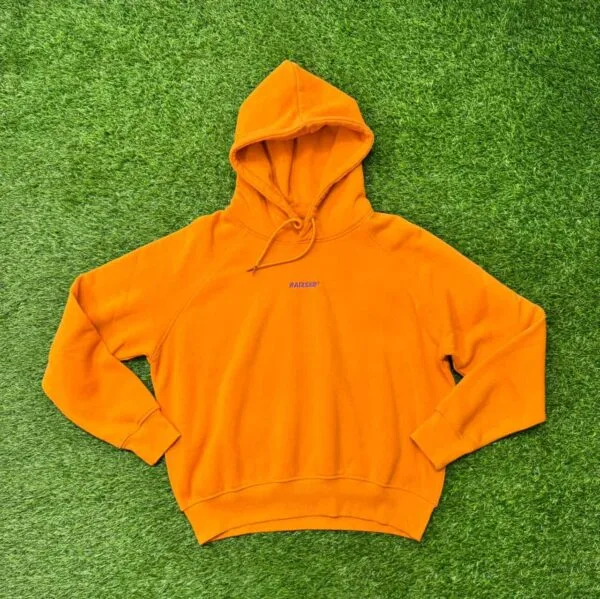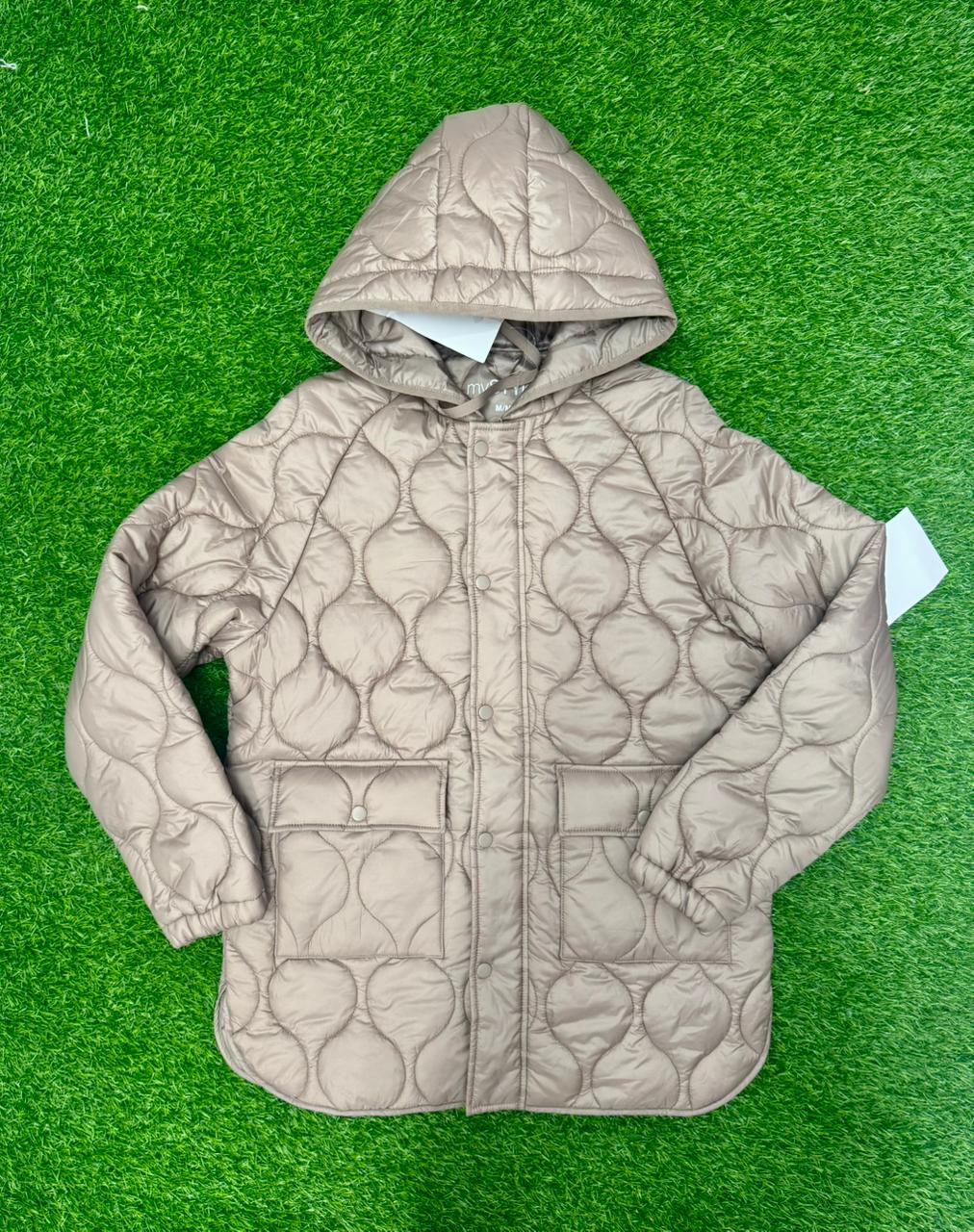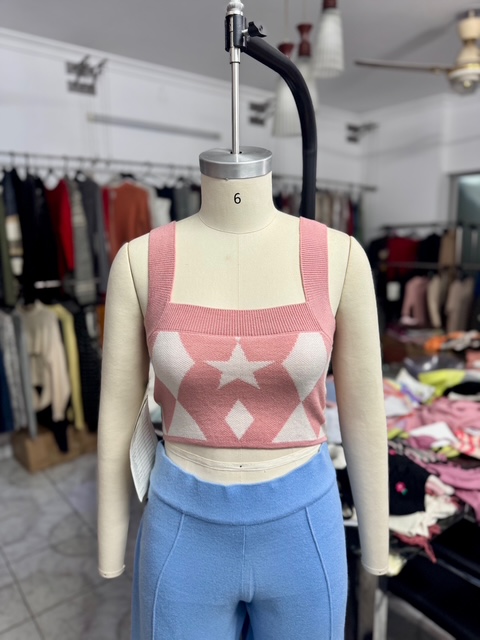
How Private Label Manufacturing Works in Bangladesh: A Step-by-Step Guide (2026)
Private label manufacturing lets fashion brands sell garments under their own
name without owning a factory — but the process from initial brief to bulk
delivery involves several critical stages most buyers don’t see until they’ve
already committed to a supplier. This guide walks through exactly how private
label manufacturing works in Bangladesh in 2026: factory matching, sample
development, quality control, and export documentation.
Ready to start your own private label programme? See our
Private Label Clothing Manufacturer in Bangladesh
page for MOQs, certifications, and how to get a quote.
What is Private Label Clothing Manufacturing?
Private label manufacturing means having garments produced to your exact specifications — your design, your fabric choice, your branding — and sold exclusively under your own brand name.
Unlike buying wholesale (purchasing generic garments from a distributor) or white label (buying generic garments and simply adding your label), private label gives you full creative and commercial control:
- Your unique design or style
- Your chosen fabric composition and weight
- Your colour palette
- Your brand labels, hang tags, and packaging
- Exclusive ownership — no other brand sells the same product
Private label is used by fashion brands of all sizes — from fast-growing e-commerce startups placing their first 500-piece order to established European retail chains ordering hundreds of thousands of units per season.
Why Bangladesh for Private Label?
Bangladesh combines several unique advantages that make it the optimal private label manufacturing destination for European brands:
Cost:
Bangladesh offers the lowest production costs of any major garment-producing nation. For private label brands, where margin is critical, this directly improves profitability. For the full cost breakdown behind that 30–50% saving — materials, labour, overheads, and freight — see our Bangladesh garment manufacturing cost guide.
0% EU and UK import duty:
Under the Everything But Arms (EBA) scheme, garments manufactured in Bangladesh enter the EU duty-free. This is a decisive cost advantage over private label manufacturing in China (12% duty), Vietnam (9.6–12%), or Turkey (9.6–12%).
Full package capability:
Bangladesh factories offer full package production (FPP) — including fabric sourcing, dyeing, cutting, sewing, finishing, labelling, and export-ready packing. You do not need to source fabric separately.
Certification:
For brands selling to European retailers requiring BSCI, OEKO-TEX, or GOTS certified product, Bangladesh has the widest availability of certified factories of any sourcing destination.
Knitwear expertise:
Bangladesh is the world leader in knitwear production — t-shirts, sweatshirts, hoodies, polo shirts, and knit outerwear. If your private label collection is knitwear-led, Bangladesh is the obvious choice.
Step-by-Step: How to Build a Private Label Collection in Bangladesh
Step 1 — Define Your Collection
Start with a clear brief covering:
- Product categories (knitwear, woven, denim, sweaters, outerwear, or a mix)
- Style count per category
- Target fabric compositions and weights
- Colour palette
- Size range
- Quantity per style per colour
- Required certifications (OEKO-TEX, GOTS, BSCI, GRS)
- Target FOB price per category
- Required delivery dates
The more detail in your brief, the more accurate your quotes and the smoother your development process.
Step 2 — Find the Right Manufacturing Partner
For private label, you have two options:
Direct factory:
Works well if you have Bangladesh-based QC representation, speak to factories regularly, and have enough volume to maintain a direct relationship. Minimum relationships typically require 2,000–5,000 pieces per style to get priority treatment.
Bangladesh buying house:
The preferred model for most European private label brands. A buying house like Milky Fashions identifies the right factory for each product category in your collection, manages sampling and production, conducts QC, and handles all export documentation — removing the complexity and risk of managing multiple factory relationships independently.
Step 3 — Sample Development
Private label sampling in Bangladesh follows this sequence:
Proto sample:
First physical sample in approximate fabric. Used to check overall design interpretation, silhouette, and construction. Expect 2–3 rounds of proto before approving.
Fit sample (SMS):
In correct or near-correct fabric. Used to check fit across your full size range. Critical for brands with specific fit standards.
Pre-production sample (PP sample):
In exact bulk fabric, trims, colour, brand labels, and packaging. This is the definitive approval before bulk production begins. Only approve when you are completely satisfied — PP approval is your final quality benchmark.
Top of production (TOP sample):
Taken from the beginning of bulk production to confirm consistency with approved PP.
Budget 6–10 weeks for full private label sample development including iteration rounds. Sample costs are typically charged upfront and credited against your bulk order.
Step 4 — Branding and Packaging Specification
For private label production, provide your factory or buying house with complete branding specifications:
- Main label (woven or printed): brand name, care instructions, fibre content, size, country of origin
- Hang tag: design file, attachment method
- Barcode labels: EAN/UPC codes if required for retail
- Polybag or box packaging specifications
- Carton marking requirements
EU garment labelling regulations require: fibre content (%), care instructions (ISO symbols), country of origin (“Made in Bangladesh”), and size. Your buying house should verify compliance with current EU labelling regulations.
Step 5 — Production and Quality Control
Once your PP sample is approved:
- Issue your purchase order specifying exact quantities, colours, sizes, prices, and shipment date
- Pay the agreed deposit (typically 30%) to initiate production
- Your buying house conducts inline QC during cutting and sewing
- Final AQL inspection of packed goods before shipment
- Balance payment (typically 70%) against shipping documents
Step 6 — Customs and Import
Your buying house coordinates:
- Certificate of Origin (Form A / GSP certificate) for 0% EU duty under EBA
- Commercial invoice and packing list
- Bill of lading
- Any brand-specific compliance certificates
Your freight forwarder handles customs clearance at the EU port of entry.
MOQ for Private Label Manufacturing in Bangladesh
Minimum order quantities for private label in Bangladesh:
| Category | Standard MOQ | With buying house consolidation |
|---|---|---|
| T-shirts, polo shirts | 500–1,000 pcs/colour/style | 300–500 pcs possible |
| Sweatshirts, hoodies | 500–1,000 pcs/colour/style | 300–500 pcs possible |
| Woven shirts, trousers | 500–2,000 pcs | 300–500 pcs possible |
| Sweaters (fully fashioned) | 300–500 pcs/colour/style | 200–300 pcs possible |
| Outerwear, padded jackets | 300–500 pcs | 200–300 pcs possible |
A buying house with multiple client relationships can consolidate smaller orders at shared factories — enabling private label production at quantities that a direct factory relationship would not accommodate.
Private Label Certification Options
Many European private label brands require certified product for their retail partners or brand positioning:
OEKO-TEX Standard 100:
Certifies the finished garment is free from harmful substances. Available across most product categories. Essential for brands selling to European retailers with OEKO-TEX requirements.
GOTS (Global Organic Textile Standard):
Required for garments marketed as organic. Covers the full production chain from raw material. Bangladesh has strong GOTS-certified spinning and manufacturing capacity for knitwear.
GRS (Global Recycled Standard):
Required for products containing recycled polyester, recycled cotton, or other recycled materials. Essential for sustainable private label collections.
BSCI/SEDEX:
Social compliance audits. Required by most major European retail buyers as a condition of supplier approval. Working with a buying house whose factory network is BSCI/SEDEX audited simplifies retailer onboarding.
Timeline: From Concept to EU Delivery
| Stage | Duration |
|---|---|
| Factory selection and briefing | 1–2 weeks |
| Proto and fit sampling | 3–4 weeks |
| PP sample production and approval | 2–3 weeks |
| Bulk production (knitwear) | 45–60 days |
| Sea freight to Europe | 20–28 days |
| Total first order | ~90–120 days |
For repeat orders with approved samples: 60–75 days total.
Plan your private label calendar working backwards from your required in-store or launch date.
Private Label in Bangladesh Post-LDC Graduation — What Changes in 2026
Bangladesh’s scheduled LDC graduation on 24 November 2026 is the most discussed topic in sourcing circles — and private label brands need to understand the facts clearly.
The critical point: Bangladesh’s 0% EU duty-free access under EBA continues for three full years after graduation — until November 2029. There is no disruption to your private label cost structure in 2026 or 2027. European brands building private label collections from Bangladesh today have a clear, stable duty-free window through the end of 2029.
Beyond 2029, Bangladesh is actively pursuing GSP+ status with the EU, which would maintain preferential duty rates under different conditions. UK buyers benefit from the UK DCTS scheme, which provides its own preferential access arrangement continuing beyond 2029.
For private label brands, this means 2026 is the ideal year to establish Bangladesh manufacturing relationships. Building factory relationships, approved samples, and compliance documentation in 2026 and 2027 positions your brand strongly regardless of how post-2029 trade arrangements evolve.
Private Label Branding — What European Buyers Often Miss
Several branding and compliance details catch first-time private label buyers off guard. Being aware of these upfront saves significant time and rework costs.
EU garment labelling regulations are mandatory and strictly enforced. Every garment sold in the EU must carry a permanent label showing fibre content as a percentage, care instruction symbols (ISO 3758), size, and country of origin. “Made in Bangladesh” is the correct country of origin statement for garments manufactured in Bangladesh — and it qualifies for 0% EBA duty at EU customs.
Packaging compliance is increasingly scrutinised. EU Single Use Plastics regulations and extended producer responsibility schemes in Germany, France, and the Netherlands affect polybag and outer carton specifications. Your buying house should advise on current EU packaging compliance requirements for your specific retail market.
Intellectual property protection is important for private label brands. Ensure your buying house signs a non-disclosure agreement covering your designs, tech packs, and branding before sharing any proprietary information with factories. At Milky Fashions, we operate under strict NDA terms with all factory partners to protect our clients’ intellectual property.
Finally, size grading for European markets requires careful attention. Bangladesh factories produce to international size standards but European size conventions vary by country — UK, German, French, and Italian sizing differ in specific measurements. Your tech pack should specify exact measurements in centimetres for each size, not rely on generic S/M/L/XL labelling alone.
Build Your Private Label Collection with Milky Fashions
Milky Fashions is a full-service Bangladesh apparel buying house with over 24 years of private label manufacturing experience for European fashion brands.
We manage every stage of your private label development — factory selection, sample management, branding coordination, quality control, and export documentation — across knitwear, woven, sweaters, outerwear, and denim categories.
Our partner factory network holds BSCI, WRAP, SEDEX, OEKO-TEX, GOTS, and GRS certifications to support your brand’s compliance requirements.
Contact us to discuss your private label collection. We typically respond within 24 hours.
View our full sourcing services.
FAQ
What is the minimum order for private label clothing in Bangladesh?
Typical minimums are 500–1,000 pieces per colour per style for knitwear and 300–500 for sweaters. Working with a buying house that consolidates orders can reduce these thresholds for smaller brands.
How long does private label manufacturing in Bangladesh take?
Allow 90–120 days for a first order from factory selection to EU warehouse delivery, including sampling. Repeat orders with approved samples typically take 60–75 days.
Can I put my own labels and branding on Bangladesh garments?
Yes — private label manufacturing specifically means the garments are produced to your specifications with your brand labels, hang tags, and packaging. Your buying house coordinates all branding requirements with the factory.
Do I need a buying house for private label in Bangladesh?
Not strictly required, but strongly recommended for European brands without existing Bangladesh operations. A buying house handles factory selection, QC, compliance, and logistics — significantly reducing the risk and complexity of private label manufacturing from a distance.
Can I source sustainable private label garments from Bangladesh?
Yes. Bangladesh has GOTS-certified factories for organic cotton, GRS-certified factories for recycled materials, and OEKO-TEX-certified factories for chemical-safe production across all major private label categories.
Milky Fashions | Bangladesh Private Label Clothing Manufacturer | Est. 2002 | Serving European brands across UK, Germany, France, Netherlands, Italy, Spain, Scandinavia
Director and Head of Merchandising at Milky Fashions, a BGBA-registered garment buying house in Bangladesh since 2002. Specialises in knitwear sourcing, factory compliance, and European buyer relations.